Seattle homes ask a lot from a roof. Rain cycles through most months, winds gust off the Sound, and a few icy mornings can test any weak spot. A new shingle roof should block water, vent moisture, and stand up to moss pressure. Homeowners searching for shingle roofers near me usually want straight answers: timeline, cost drivers, warranty terms, and how the work shingle roofing companies near me atlasroofingwa.com will impact daily life. Here is what a well-run installation looks like in Seattle, and how Atlas Roofing Services approaches the job.
How long a new shingle roof takes in Seattle weather
Most single-family homes in Ballard, West Seattle, Greenwood, or Beacon Hill finish in two to three days once the crew starts tear-off. Larger homes, complex rooflines, and work around skylights can push the schedule to four or five days. Weather is the wild card. Light rain is routine and manageable with proper staging and tarps. Heavy rain, wind advisories, or frost at dawn may delay tear-off or shingle nailing to protect the deck and keep nails seated. Reputable crews plan short, workable daily sections and seal them before leaving the site.
A typical rhythm runs like this: day one handles tear-off, deck inspection, and dry-in with underlayment and ice-and-water membrane at eaves and valleys. Day two covers most of the shingle field, flashings, and penetrations. Day three wraps details, attic ventilation, ridge caps, and cleanup. If plywood replacement is needed, add half a day per 5 to 8 sheets, depending on access.
What affects price in Seattle
Prices vary by roof size, pitch, layers to remove, and materials. In the city, steep access, narrow streets, and debris disposal fees also factor in. Three common scenarios stand out:
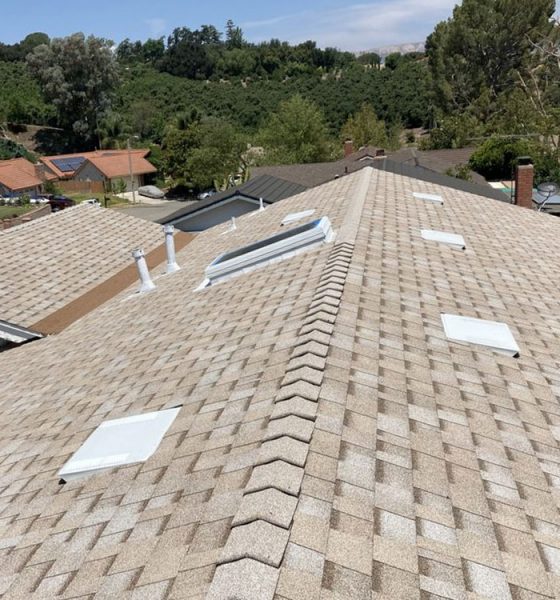
- Starter-size Seattle bungalow with a simple gable: one layer tear-off, architectural shingles, standard vents, and new flashings often lands in the lower range. Mid-size Craftsman with dormers and valleys: more detail work, multiple pipe penetrations, and chimney counterflashing place it in the middle range. Large or steep Queen Anne or Capitol Hill home: steep-slope safety gear, multiple planes, and premium shingles place it at the higher end.
Expect plywood replacement on older homes from the 1920s to 1950s if the deck shows rot near eaves, valleys, or around chimneys. Many roofs need 2 to 10 sheets replaced once opened up. An estimate should show a per-sheet price and a reasonable allowance.
Materials that hold up in a wet climate
Architectural asphalt shingles remain the workhorse for Seattle. They shed water well, hide minor deck imperfections, and offer competitive wind ratings. Impact-rated options help in areas with nearby fir cones or overhanging limbs. A Class A fire rating is standard on quality lines, which matters in windy seasons with power line incidents.
Underlayment choices include synthetic for full-roof coverage and self-sealing membrane at vulnerable zones. Ice-and-water shield at eaves and valleys is smart even with our marine climate, due to wind-driven rain and occasional freeze-thaw cycles. Copper or aluminum step flashing at sidewalls and around dormers outlasts reused pieces, so a full flashing replacement during reroofing is good policy.
Moss is a Seattle constant. Algae-resistant shingle granules slow streaking. Zinc or copper strips near the ridge add another layer of defense by releasing ions that inhibit growth during rain.
Ventilation and attic health
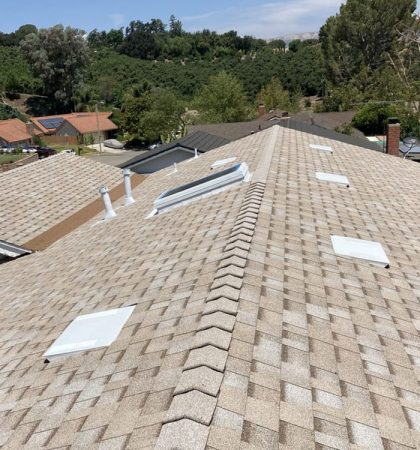
A roof in Seattle must breathe. Balanced intake and exhaust reduce moisture buildup, protect the deck from mold, and keep shingles within their design temperature range. Many older homes rely on gable vents alone, which creates dead zones. Upgrading to continuous soffit intake with ridge vent exhaust often provides the best flow. If soffits are blocked by paint or insulation, a crew should open them carefully and install baffles to keep insulation from choking airflow.
Contractors sometimes skip ventilation because it is invisible from the curb. The payoff shows over years: fewer condensation stains, less musty odor in the attic, straighter sheathing, and longer shingle life. An estimator should measure net free area and provide a simple intake-to-exhaust balance plan.
What the crew does on day one
A clean tear-off sets the tone. The crew protects landscaping with breathable tarps, sets catch bins where feasible, and lays plywood over delicate areas. A magnet sweep happens throughout the day, not just at the end, to keep nails out of driveways and sidewalks. Once the shingles are off, the deck is inspected for soft spots and fastener pull-through. Any damaged plywood is marked and replaced before underlayment goes down.
Seattle wind and rain require tight staging. Sections get dried-in the same day they are opened. Valleys and penetrations receive peel-and-stick membrane for redundancy. Drip edge at eaves and rakes keeps water from wicking back onto fascia and soffits, a common failure point in older roofs.
Flashing and leak points that matter here
Chimneys in Wallingford or Mount Baker often show previous patching with roof cement. Good practice replaces step flashing and adds new counterflashing cut into mortar joints. Plumbing stacks get new neoprene or silicone boots; metal-only covers tend to rust in our climate. Skylights need curb inspection and new shingles woven or flashed per the brand. If a skylight is older than 15 years, replacement during reroofing saves money and avoids cutting new shingles later.
Valleys deserve extra attention. Woven valleys can hold debris and moss; many homeowners prefer open metal valleys for faster water movement. For homes under tall firs or maples, open valleys make periodic clearing easier and reduce shingle wear.
Noise, parking, and daily life during the project
Roof work is loud. Nail guns, tear-off shovels, and compressor cycles carry through the day. Most crews start around 7:30 to 8:00 a.m. to make daylight count. Neighbors appreciate a heads-up the day before. Plan cars outside the garage during working hours; the driveway may be partially blocked by a dumpster or material load. Pets that react to noise do better in a quiet room or with a daytime sitter.
Warranties that actually mean something
Two warranties apply: manufacturer and workmanship. Manufacturer warranty terms depend on the product tier and whether the installer is credentialed by the brand. Workmanship covers installation errors and is backed by the contractor. A clear contract should state both in writing, with transfer terms if the home sells. Many Seattle buyers ask for roof paperwork during inspection, so this detail can support resale.
What “shingle roofers near me” should prove during estimating
Homeowners searching for shingle roofers near me in Seattle will see plenty of ads, but the right crew shows their plan in plain language. A strong estimator explains ventilation math, identifies flashing upgrades, calls out expected plywood replacement, and maps a weather plan. References in nearby neighborhoods help confirm workmanship and cleanup standards.
Here is a short checklist that separates a careful installer from a guesser:
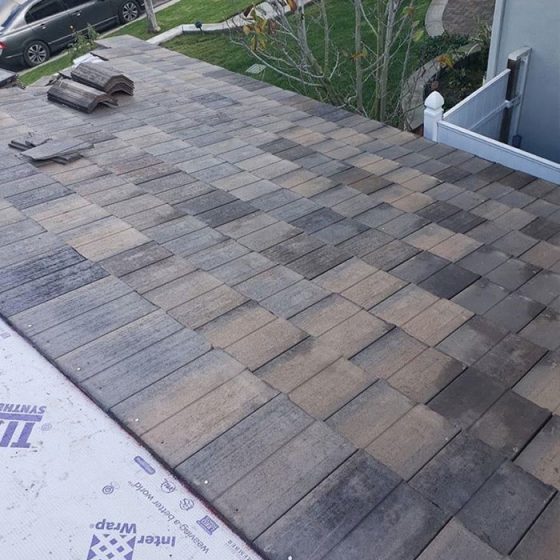
- Photographs of current roof issues and attic conditions, not just a price. Written scope with brand, line, underlayment, flashing details, and vent strategy. Line-item pricing for deck repairs per sheet and any optional upgrades. Proof of Washington contractor license, liability insurance, and workers’ comp. A schedule window that respects Seattle weather, with contact info for updates.
Common Seattle issues and how crews solve them
Older cedar shake overlays are still on some homes. Converting to asphalt often requires new plywood or OSB because the original spaced sheathing has gaps. Another recurring issue is short or blocked soffit vents under heavy paint layers; opening these during the reroof avoids attic condensation. In neighborhoods with tall evergreens, installers should discuss gutter guards and maintenance plans to keep valleys and downspouts clear.
Downspouts that discharge onto low-slope porch roofs can drive water sideways under shingles. A fix routes water by extension or scupper so it drops shingle roofers near me into the main gutter run cleanly. Satellite dishes mounted through shingles should move to fascia or a non-roof mount to avoid future leaks.
What a realistic maintenance plan looks like
Even the best shingle roof in Seattle benefits from light care. A once-a-year inspection checks flashing, ridge caps, and sealant at penetrations. Moss treatment with manufacturer-approved products keeps growth in check. Gentle sweeping or air blowing removes debris from valleys and away from chimney saddles. Avoid pressure washing. It strips granules and shortens shingle life.
After major wind events, a quick ground-level look for lifted tabs or missing ridge pieces catches small issues before water finds a path. Keep tree limbs a few feet off the roof to reduce abrasion and sap stains.
Why Atlas Roofing Services is a fit for Seattle neighborhoods
Atlas Roofing Services works across Seattle from Ballard to Rainier Valley, handling steep Victorians, mid-century low slopes, and newer builds. The team judges each roof by structure, airflow, and exposure. Homeowners get clear scopes, photo-rich reports, and options that suit the house rather than a one-size pitch. Crews respect parking, staging, and daily cleanup, and the office keeps neighbors in the loop during weather shifts.
Homeowners who type shingle roofers near me often want quick site visits and straight pricing. Atlas delivers both, with material samples on hand and references within a few blocks in many areas. Most installs finish in two to three days, weather permitting, with careful protection and a final magnet sweep the same afternoon.
Ready for estimates and next steps
A good roofing project starts with a focused site visit. Atlas Roofing Services measures, checks the attic, and shows the ventilation plan in simple numbers. Homeowners receive a clear estimate with product choices and a calendar window that suits their schedule.
To request an on-site assessment in Seattle, reach out to Atlas Roofing Services. Share the neighborhood, roof age, and any leak history. The team will confirm timing, discuss material options, and put together a plan that stands up to Seattle rain, wind, and moss while fitting the home’s look.
Atlas Roofing Services provides professional roofing solutions in Seattle, WA and throughout King County. Our team handles residential and commercial roof installations, repairs, and inspections using durable materials such as asphalt shingles, TPO, and torch-down systems. We focus on quality workmanship, clear communication, and long-lasting results. Fully licensed and insured, we offer dependable service and flexible financing options to fit your budget. Whether you need a small roof repair or a complete replacement, Atlas Roofing Services delivers reliable work you can trust. Call today to schedule your free estimate.
Atlas Roofing Services
Seattle, WA, USA
Phone: (425) 728-6634
Websites: https://atlasroofingwa.com | https://sites.google.com/view/roof-replacement-seattle/home
Social Media: Yelp
Map: View on Google Maps